The Agentic Revolution: Why 2026 is the End of "Prompt Engineering"
Discover the comprehensive details and insights of our The Agentic Revolution: Why 2026 is the End of "Prompt Engineering" blog post.
Blog Gallery
About This Blog
The era of "chatting" with AI is coming to an end. In its place, we are witnessing the rise of Agentic AI—systems that don’t just answer questions, but execute multi-step goals with minimal human intervention. For the modern business, this represents the most significant shift in productivity since the dawn of the internet.
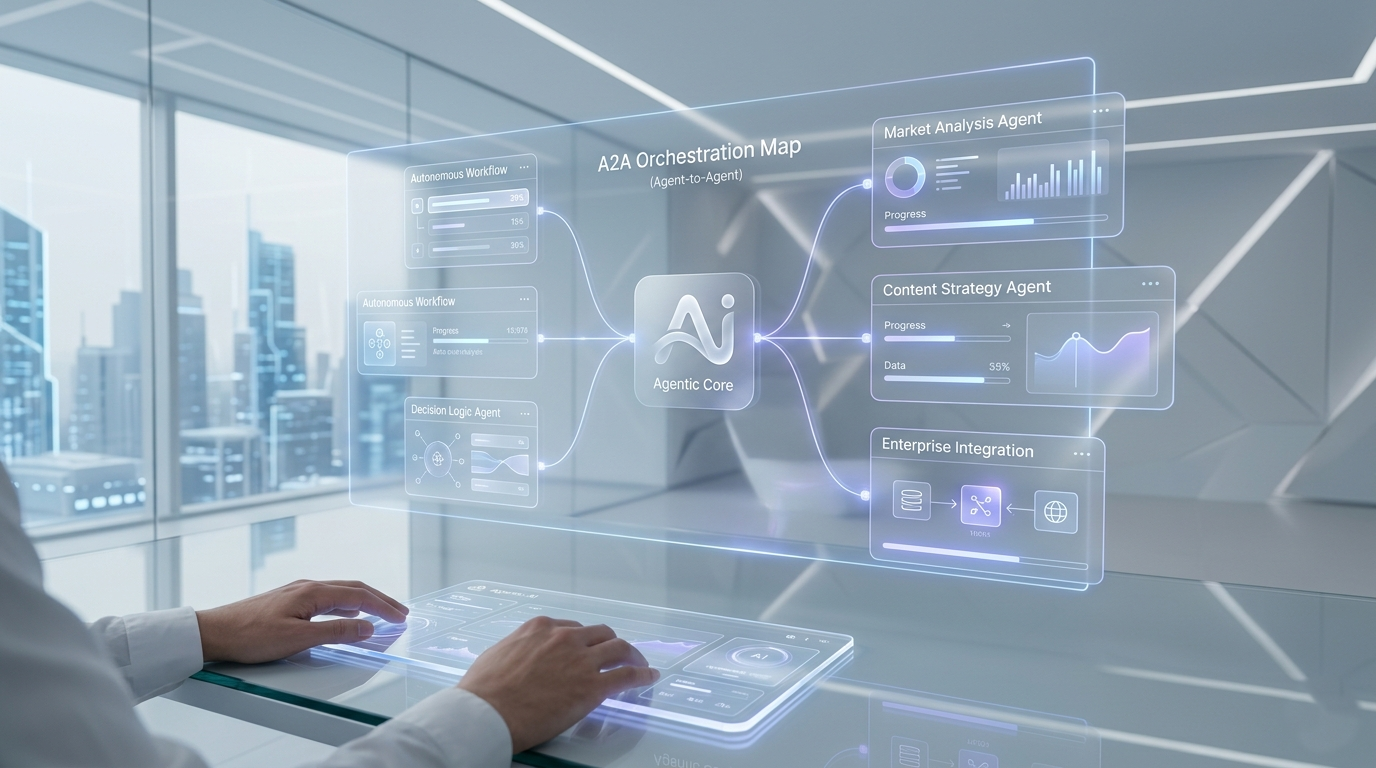
Unlike the Large Language Models (LLMs) of 2024, today’s AI agents possess "reasoning loops." If you ask an agent to "research, design, and launch a marketing campaign," it doesn't just give you a plan; it accesses your tools, communicates with vendors, and monitors the budget in real-time. This transition from assistive AI to agentic AI means the "human-in-the-loop" is moving from being the operator to being the curator.
At Orisius, we believe the competitive advantage of 2026 lies in "Agentic Orchestration." Companies that can successfully integrate these autonomous workflows will see a 10x reduction in operational overhead. However, this shift requires a new type of digital infrastructure—one that prioritizes security and "guardrail" parameters to ensure AI agents stay aligned with human ethics. The question is no longer "What can AI say?" but "What can AI do for your bottom line?"
Blog Details
Tags
Explore More Blogs
Discover our other blog posts that can help you learn and grow.